Fire Alarm Upgrades in Redruth: Meeting Current Safety Standards
Fire alarms and fire detection systems in Redruth have undergone significant changes in recent years, with newer systems offering faster detection and enhanced reliability. For property owners, landlords, and business managers in Redruth and across Cornwall, keeping up with these changes isn’t just about ticking a box; it’s about ensuring people can exit safely, businesses can resume operations, and damage is kept to a minimum.
Below, we look at why fire alarm upgrades matter, what modern systems typically involve, and how local expertise like Sullivan Fire & Security can help you work out what’s actually required for your premises.
Why Fire Alarm Upgrades Matter in Practice
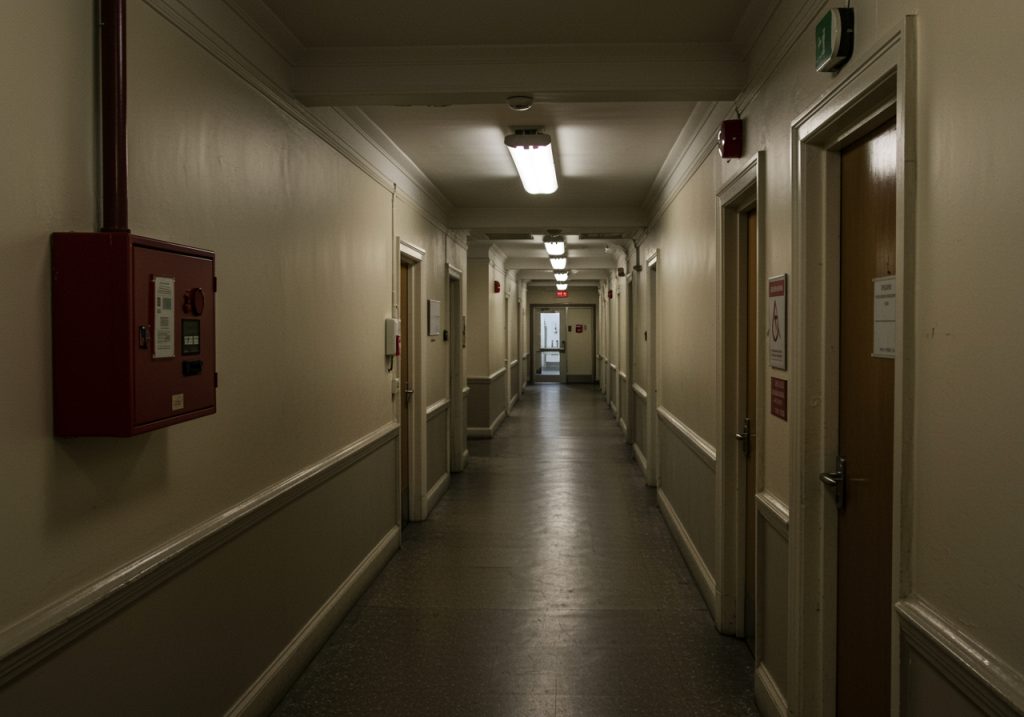
Reliable fire alarms are more than a regulatory requirement. They form the backbone of any effective safety plan. In both commercial and residential premises, an up-to-date fire alarm system can be the difference between a small, contained incident and one that causes serious disruption or loss.
In Redruth, older systems are frequently found in converted shops, offices above retail units, and mixed-use buildings where layouts and usage have changed over time. In many cases, these systems were never designed for how the space operates today. When systems are reviewed or upgraded, it’s common to uncover detection gaps, poor coverage, or limitations that increase risk.
Another frequent issue with ageing systems is unwanted activations. False or malicious alarms disrupt businesses, reduce confidence in the system, and can lead to unnecessary fire service call-outs.
In busy or shared buildings, this happens more often than people expect. A modern system that reflects how a building is actually used can significantly reduce these problems while improving overall reliability.
What Modern Fire Detection Systems Look Like Today
Modern fire detection and alarm systems are designed to suit a wide range of buildings and the practical challenges they bring. In Redruth, where heritage properties sit alongside newer commercial spaces, choosing the right type of system is particularly important.
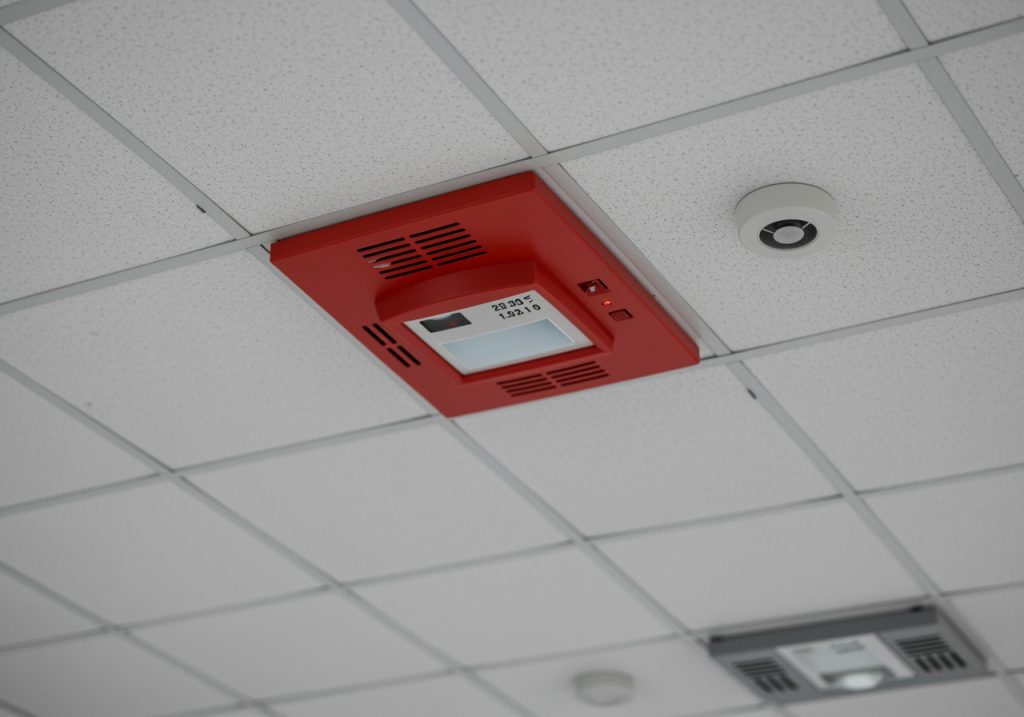
Most upgrades fall into three broad categories, with suitability depending on the environment and how the building is used:
Conventional fire alarm systems
Conventional systems are often a good fit for smaller businesses or simpler layouts where installation access is straightforward. They remain reliable, although costs can rise if additional wiring is needed during upgrades or future changes.
Wireless fire alarm systems
Wireless systems are commonly used in Grade II listed buildings or sites where cabling would be disruptive or impractical. While the initial equipment cost is higher, reduced installation time and labour often make them a sensible option for sensitive or historic environments.
Analogue addressable systems
Addressable systems are typically used in larger or more complex buildings. They provide precise point identification rather than zonal alerts, making faults or activations easier to locate. Integration with third-party equipment and reduced wiring can make them more cost-effective over time.
Choosing between these options usually comes down to layout, occupancy, future use, and budget. It’s not uncommon for a site to look straightforward on paper, only for very different challenges to become clear once someone is actually on site.
A Common Problem: False and Unwanted Fire Alarm Activations
One of the most frequent issues seen with fire alarm systems is false and malicious activations. These can disrupt day-to-day operations, reduce confidence in the system, and, in some cases, result in repeated call-outs from the fire service.
False alarms are often linked to outdated detection equipment, poorly matched system types, or changes in building use that the original system was never designed to accommodate. Malicious activations tend to be more common in shared or public buildings where manual call points are easily accessible.
Reviewing the overall system design as part of an upgrade, rather than replacing equipment like-for-like, can greatly reduce these issues. A properly specified system helps maintain compliance while improving reliability for occupants and managers alike.
Why Fire Risk Assessment Should Come First
Many upgrades run into problems because the fire risk assessment hasn’t been revisited first.
Under the Fire Safety Order 2005, a suitable and sufficient fire risk assessment should always come before selecting or upgrading a fire alarm system, as it informs what level of life safety equipment is actually required.
Skipping this step can result in a system that’s either inadequate for the level of risk or unnecessarily complex for the building. A professional assessment helps ensure the chosen system reflects real hazards, occupancy levels, and escape routes within the property.
Keeping Systems Compliant and Reliable Over Time
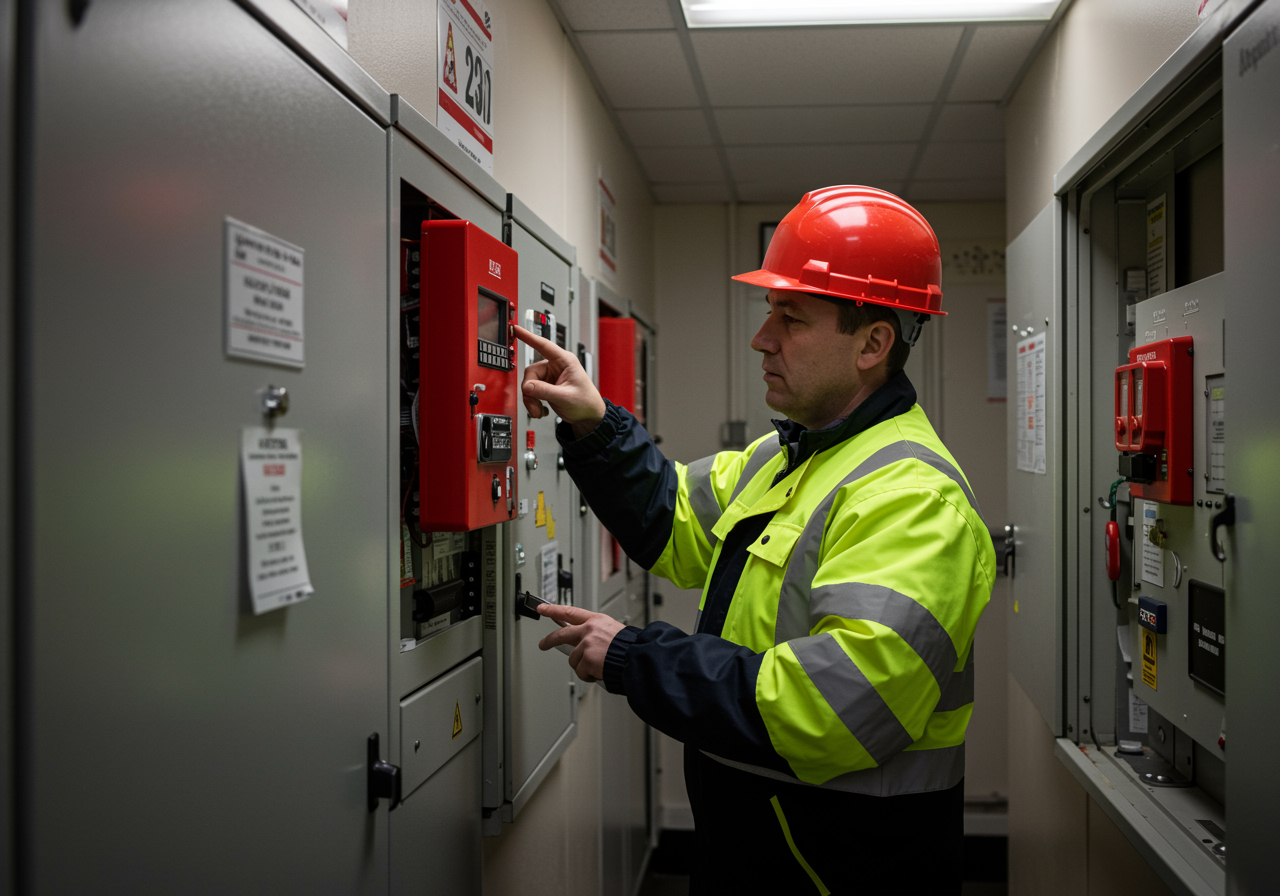
A fire alarm installation isn’t just about meeting legal requirements on day one. Long-term reliability depends on regular servicing and testing, which reduces the risk of faults or failures when the system is needed most.
Ongoing maintenance, combined with appropriate fire extinguisher provision and evacuation planning, supports a more practical approach to fire safety. Working with an experienced provider also helps keep upgrades, testing schedules, and compliance requirements clear and manageable, without unnecessary technical complexity.
Choosing the Right Installer for Your Property
When upgrading fire alarms or fire detection systems in Redruth, local experience makes a genuine difference. Installers familiar with Cornwall’s varied building stock are better placed to recommend solutions based on real conditions, not generic specifications.
Sullivan Fire & Security stands out through its focus on quality and aftercare. As an accredited company, all work is carried out to recognised industry standards and supported by regular independent audits. Maintenance packages are flexible and competitively priced, ranging from basic cover to fully comprehensive plans tailored to each site.
With 24/7 support and engineers who work cleanly, safely, and professionally, clients benefit from dependable long-term support that respects both the building and the people who use it.
Conclusion
Fire alarm upgrades play an important role in protecting both property and the people who rely on it every day. From reducing false alarms to ensuring compliance with current fire safety requirements, the right system can make a real difference when it matters most.
If you’re unsure whether your existing fire alarm is still fit for purpose, speaking with a knowledgeable local specialist can be a sensible first step. Sullivan Fire & Security works with property owners across Redruth and Cornwall to provide clear guidance and dependable fire safety solutions shaped around each individual property.